FSH UIN Jakarta Strengthens Learning Facilities through Smart Class Development
FSH News, Smart Class — The Faculty of Sharia and Law (FSH) of UIN Syarif Hidayatullah Jakarta continues to enhance the quality of its learning facilities through the development of Smart Classrooms. These technology-based learning facilities have been established through collaboration among FSH, alumni, and external partners as part of the university’s efforts to create a modern academic environment that better supports students’ needs.
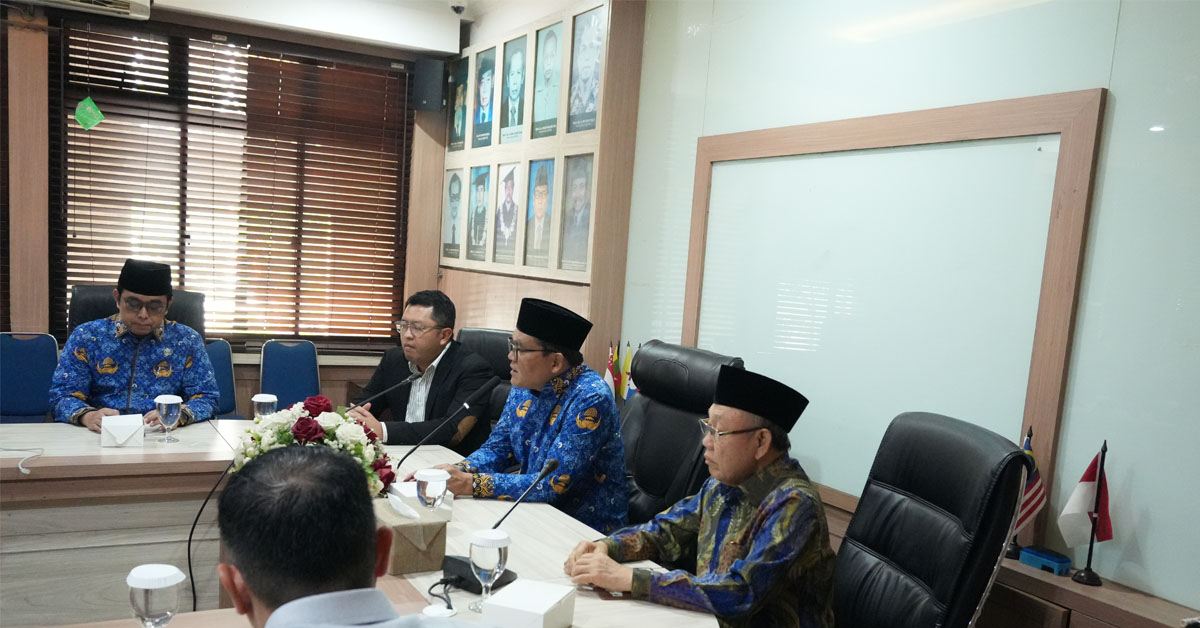
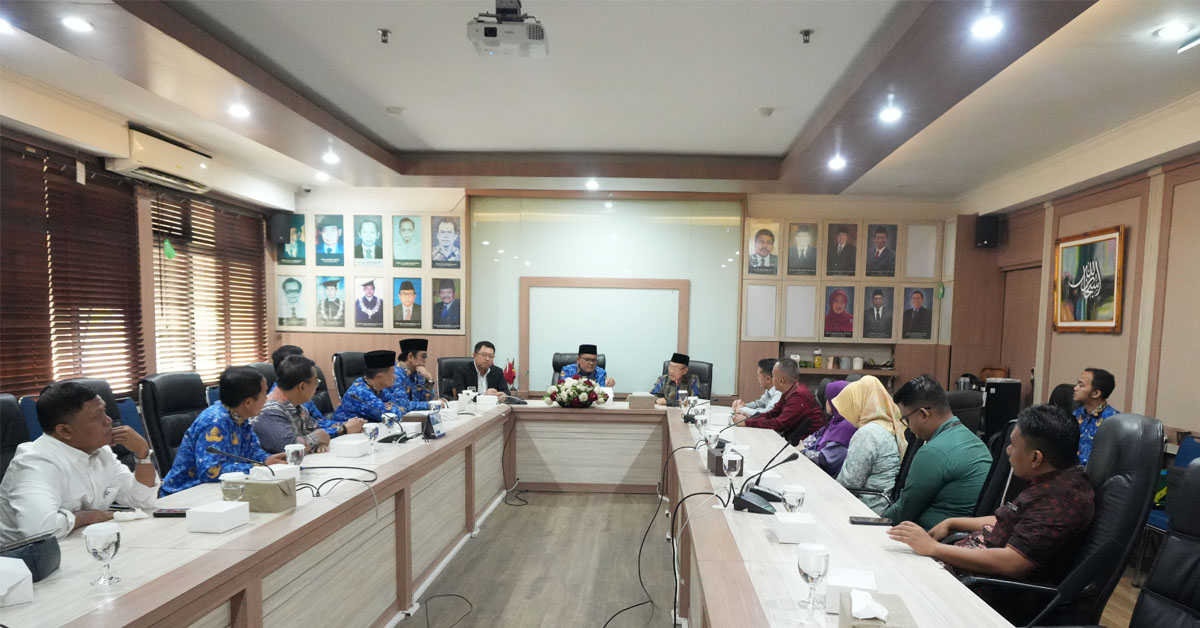
The inauguration of the Smart Classrooms took place on Thursday, October 1, 2026, and was attended by the Rector of UIN Syarif Hidayatullah Jakarta, Prof. Asep Saepudin Jahar, M.A., Ph.D.; the Dean of FSH and faculty leadership; professors and alumni; as well as representatives of Bank Rakyat Indonesia (BRI).
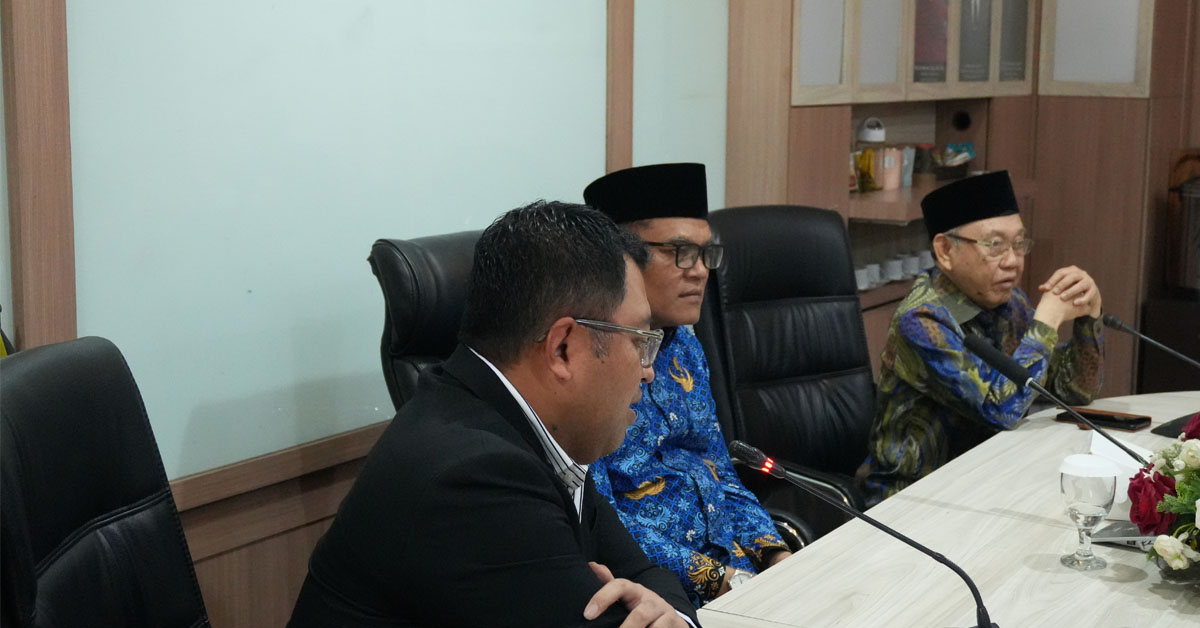
In his remarks, the Dean of FSH UIN Jakarta, Prof. Dr. Muhammad Maksum, S.H., M.A., M.D.C., expressed his appreciation to all parties who had contributed to the development of learning facilities within FSH.
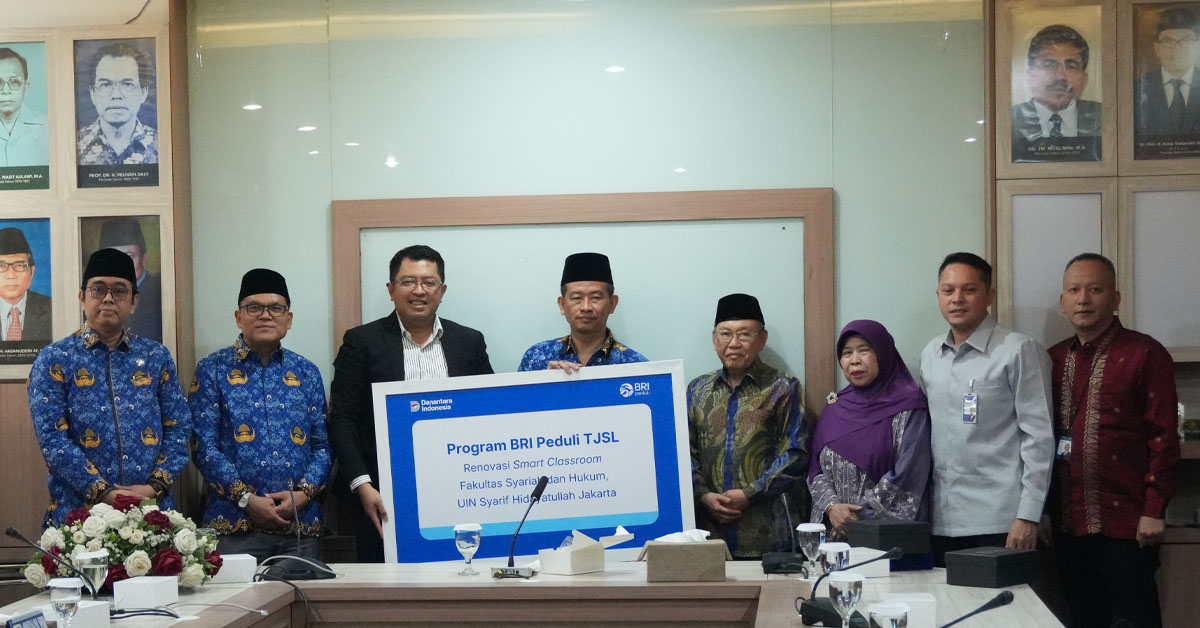
He explained that this year, FSH had received support for the development of several Smart Classrooms from various parties. Two Smart Classrooms were funded through BRI Peduli, with the support facilitated by FSH alumnus Lukmanul Hakim, M.Si. These classrooms are located on the sixth floor. Another Smart Classroom was donated by alumnus Prof. Dr. Wahiduddin Adam and is located on the third floor.
“This is a collective effort to support the Rector’s vision of modernizing UIN Jakarta, including improving its facilities and infrastructure,” said Prof. Muhammad Maksum.
According to him, the third, sixth, and seventh floors are frequently used by students for academic activities. Therefore, improving learning facilities in these areas is an important step toward creating a comfortable environment and enhancing the effectiveness of teaching and learning activities.
Prof. Muhammad Maksum also expressed his gratitude to BRI, the alumni, and all other parties who had contributed their support. He hoped that collaboration among the university, its alumni, and external partners would continue to grow and contribute to the advancement of education.
Meanwhile, the Rector of UIN Syarif Hidayatullah Jakarta, Prof. Asep Saepudin Jahar, M.A., Ph.D., emphasized the importance of providing adequate facilities and infrastructure as part of efforts to improve services for students. According to him, learning facilities should be developed based on academic needs and service priorities.
“The most important priority is student support facilities. Classrooms, chairs, toilets, and whiteboards are essential facilities that must not be overlooked,” he stated.
Prof. Asep Saepudin Jahar also encouraged all faculties to provide adequate facilities so that students could enjoy a supportive learning environment regardless of which faculty they belonged to.
On the same occasion, Prof. Dr. Wahiduddin Adam shared his views on the importance of utilizing technology in the learning process. He explained that Smart Classrooms could integrate modern technology into academic activities, making learning more interactive and effective.
He also highlighted the importance of alumni contributions to their alma mater. According to him, alumni not only play a role in developing their careers and professional capacities but can also make meaningful contributions to the university and future generations of students.
“Alumni should be of benefit to their alma mater, to the students, and to their university,” he remarked.
As an FSH UIN Jakarta alumnus, Lukmanul Khakim, M.Si., Independent Commissioner of BRI, expressed his gratitude for the opportunity to return to his alma mater and contribute to the development of educational facilities.
“Every time I come here, it feels like coming home,” he said.
Lukmanul Khakim explained that contributing to his alma mater was a way of expressing gratitude for the knowledge and experience he had gained during his studies at FSH UIN Jakarta.
He hoped that the Smart Classrooms would benefit students and help nurture a generation that is more qualified, productive, and capable of contributing across various fields.
In addition to supporting the development of facilities, Lukmanul Khakim also highlighted the importance of strengthening UIN Jakarta’s alumni network across different sectors. He noted that alumni have extensive opportunities to contribute, whether in government, business, or other professional fields.
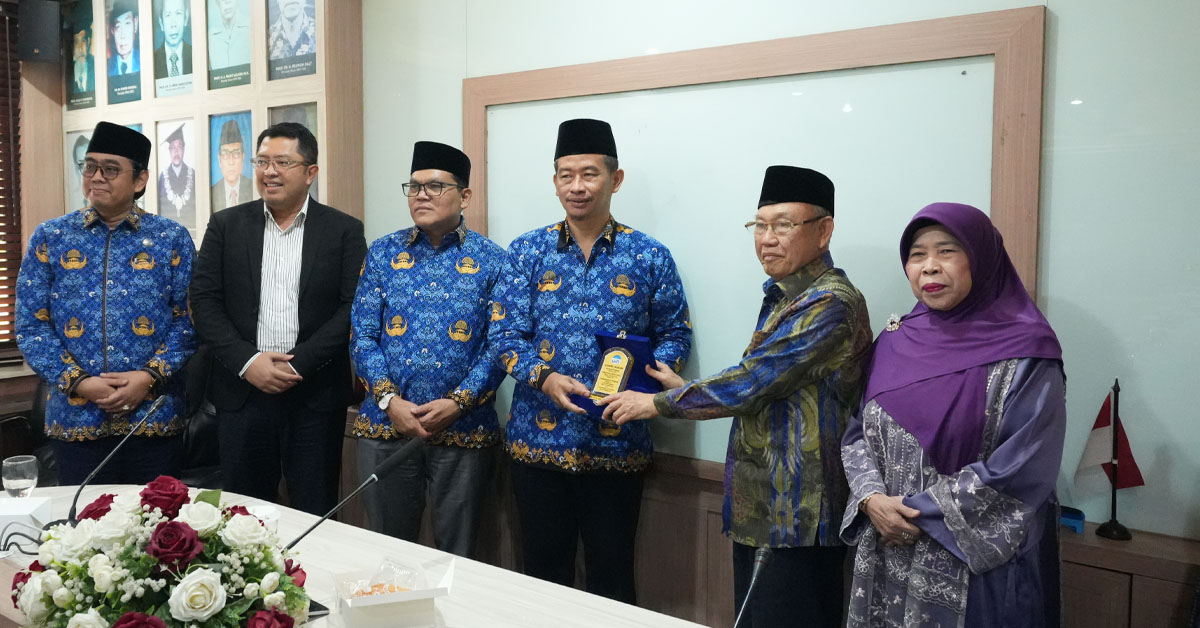
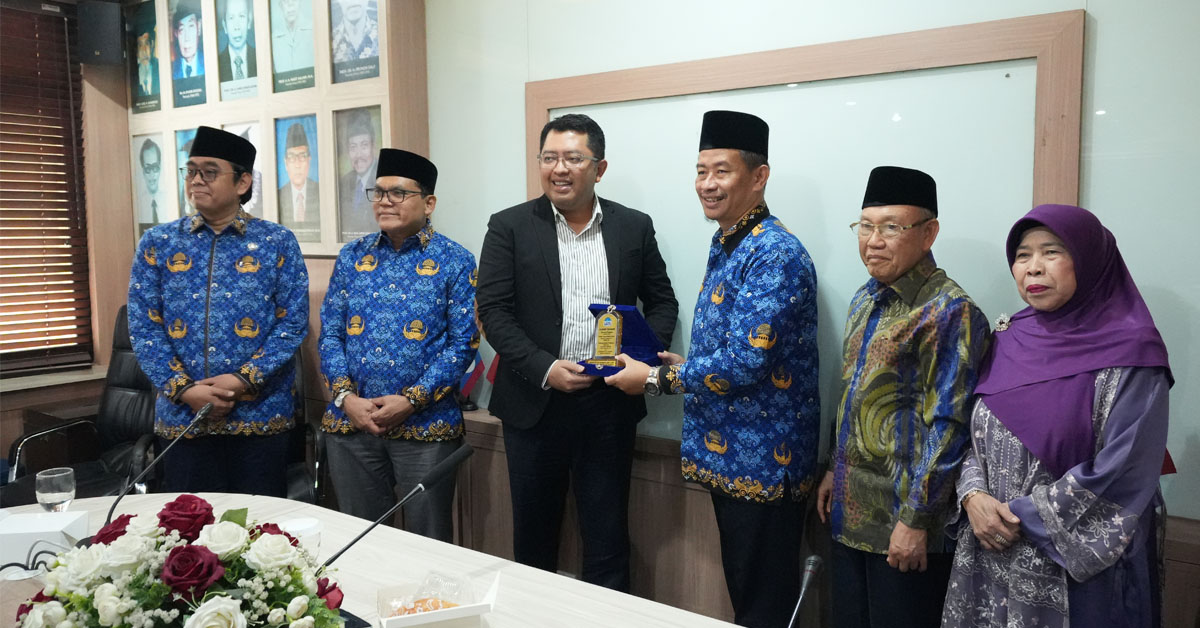
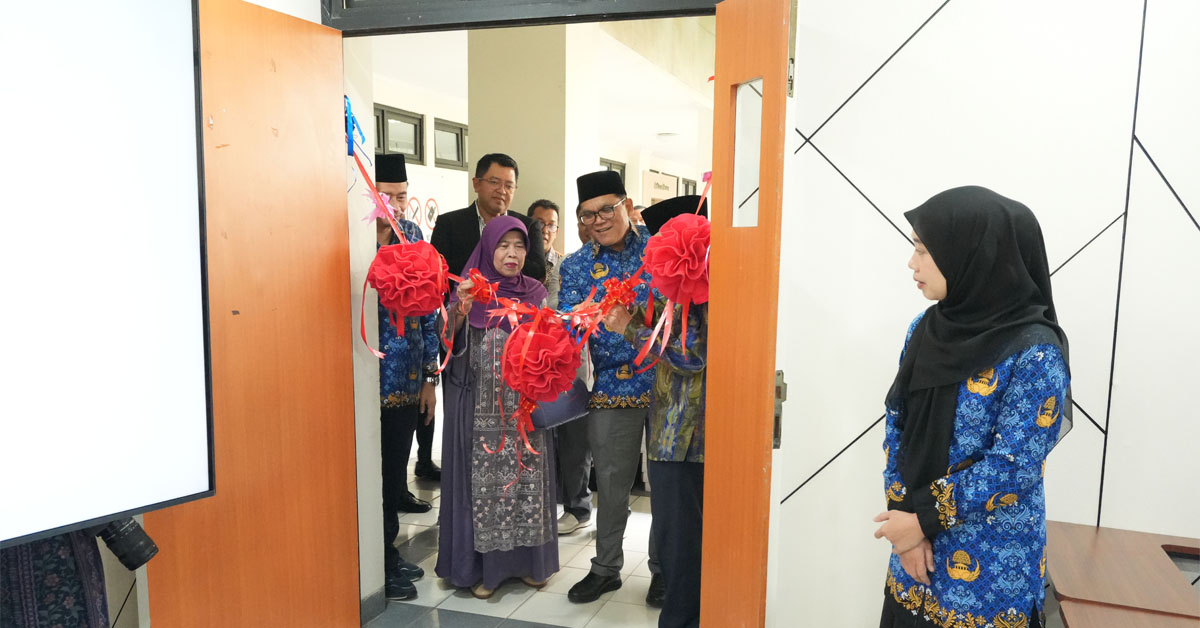
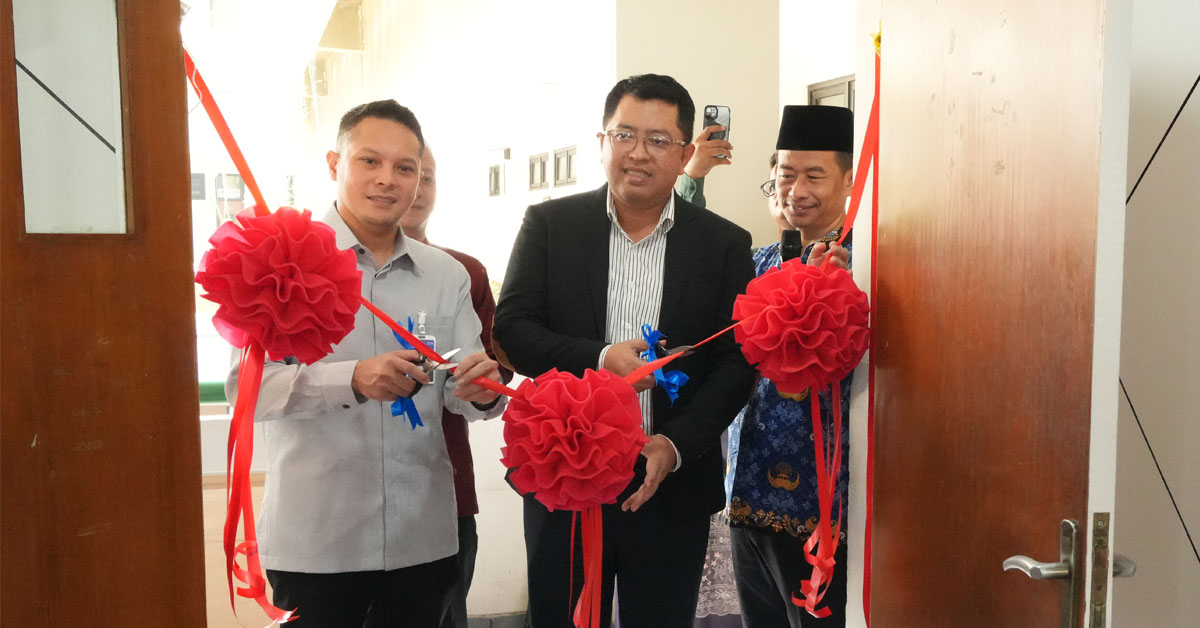
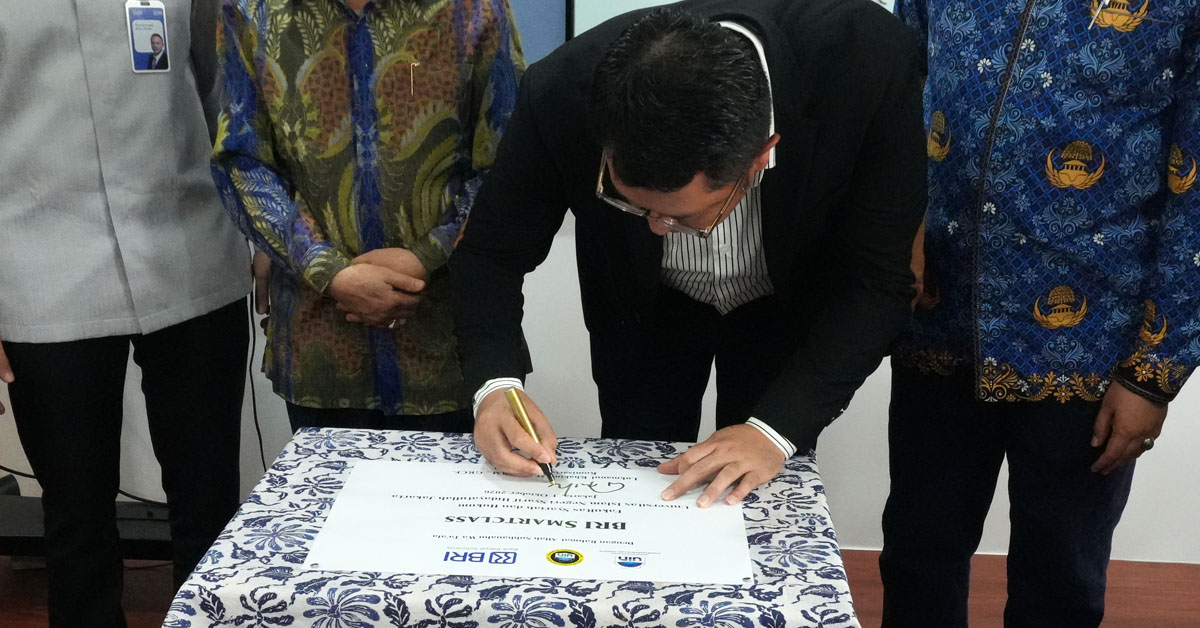
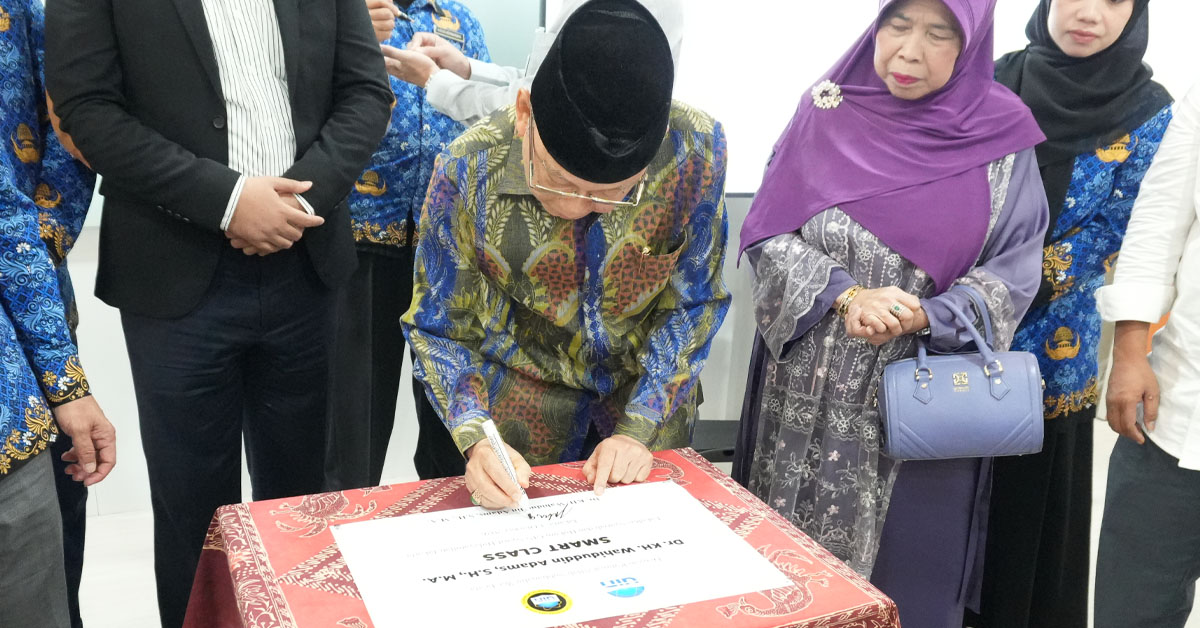
The event continued with the presentation of plaques as a token of appreciation to the parties who had contributed to establishing the Smart Classrooms at FSH UIN Jakarta. The delegation then visited and officially inaugurated the newly prepared classrooms.
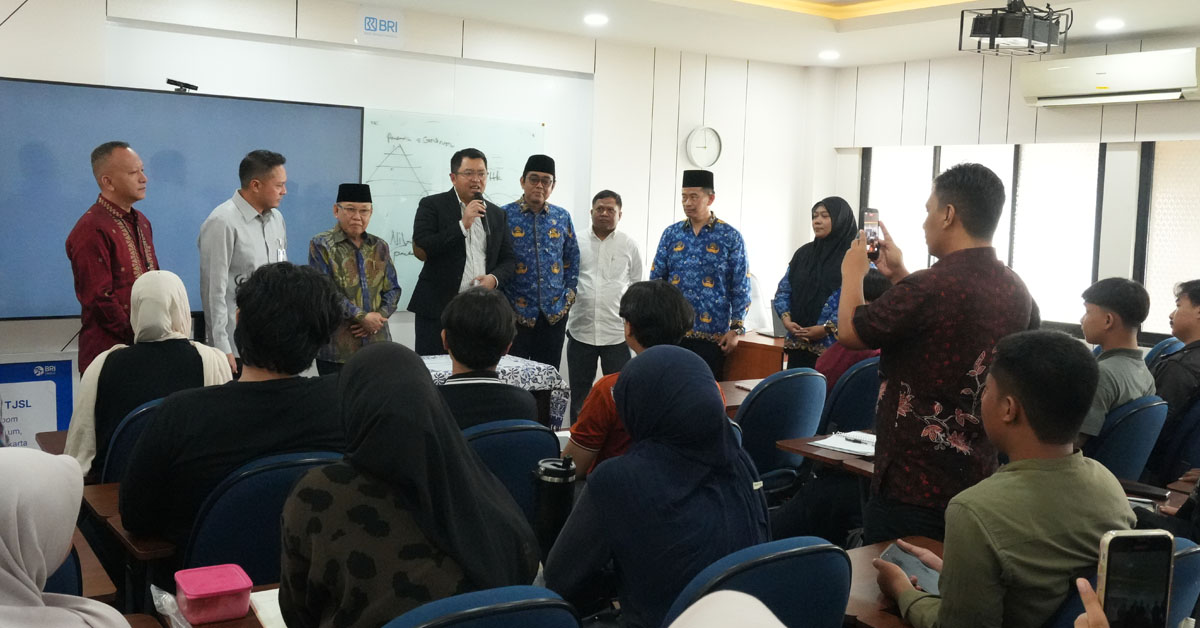
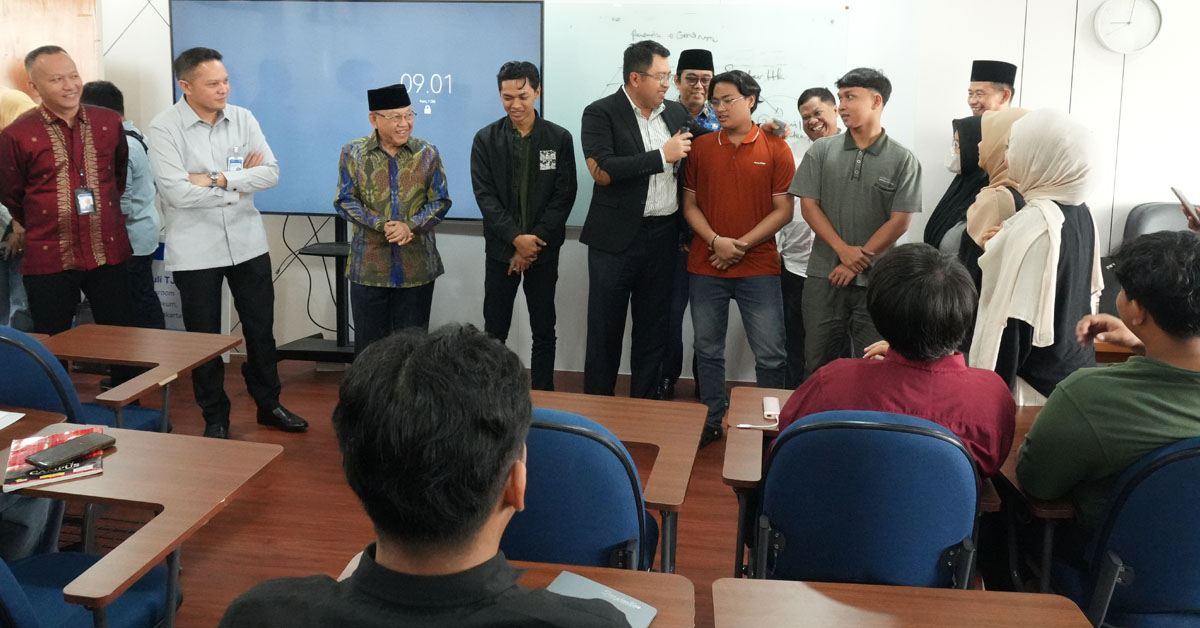
The inauguration became even more meaningful when the delegation arrived at several Smart Classrooms where teaching and learning activities were already underway. This demonstrated that the newly inaugurated facilities were immediately being utilized to support students’ academic activities.
During the event, BRI representatives also showed their appreciation for students by distributing BRIZZI electronic money cards, each loaded with a balance of IDR 200,000, to several lucky students. This initiative served as another expression of BRI’s support for students while adding to the excitement of the Smart Classroom inauguration.
The inauguration marked another step in FSH UIN Jakarta’s commitment to improving the quality of its learning environment while strengthening partnerships with alumni and external stakeholders.
Through these technology-based facilities, students are expected to benefit from a learning experience that is increasingly adaptive to changing times. Collaboration among FSH, its alumni, and various strategic partners is also expected to continue expanding, opening up further opportunities to support the improvement of educational quality at FSH UIN Jakarta.
(Nsc)