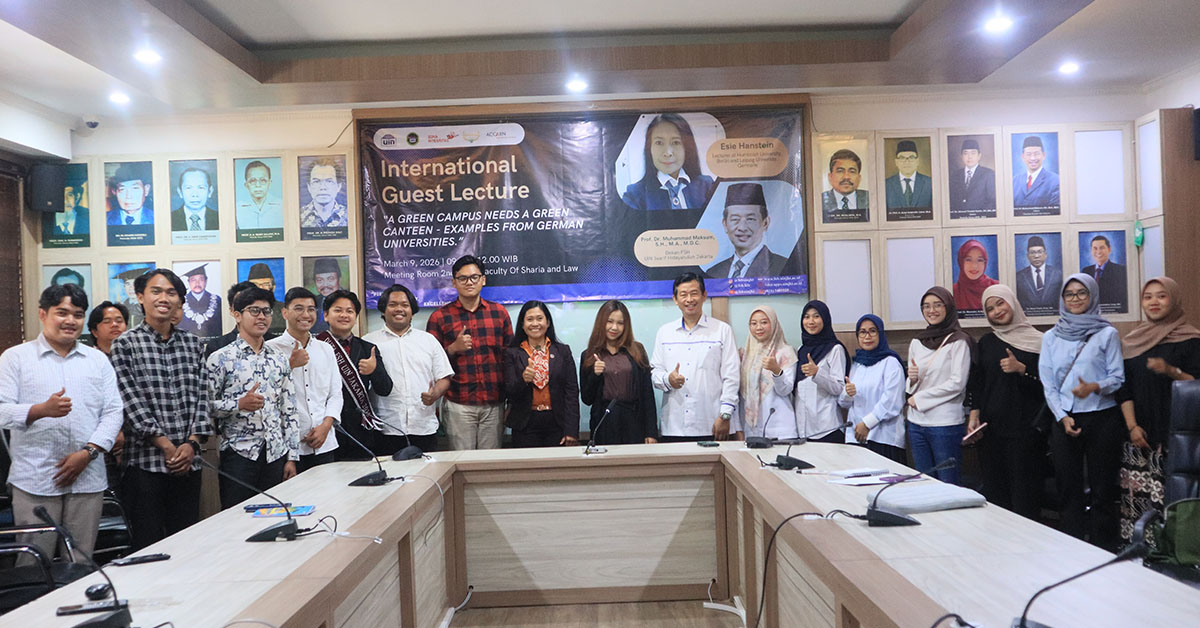
The Faculty of Sharia and Law at Syarif Hidayatullah State Islamic University Jakarta Hosts an International Guest Lecture on Green Campuses and Student Cafeteria Systems in Germany
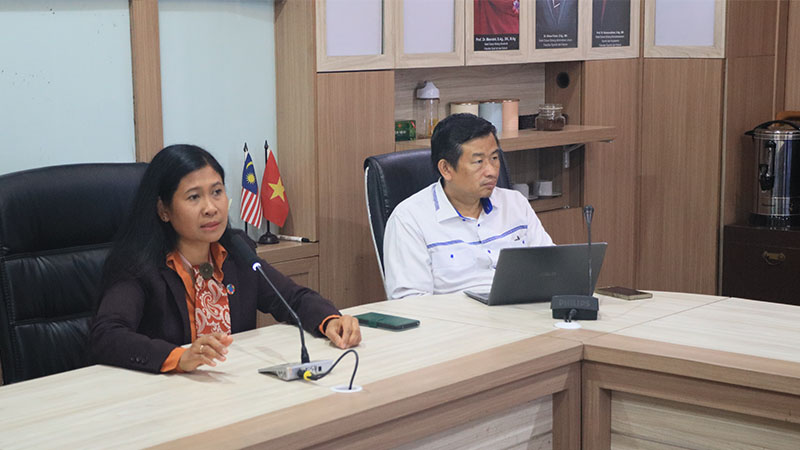
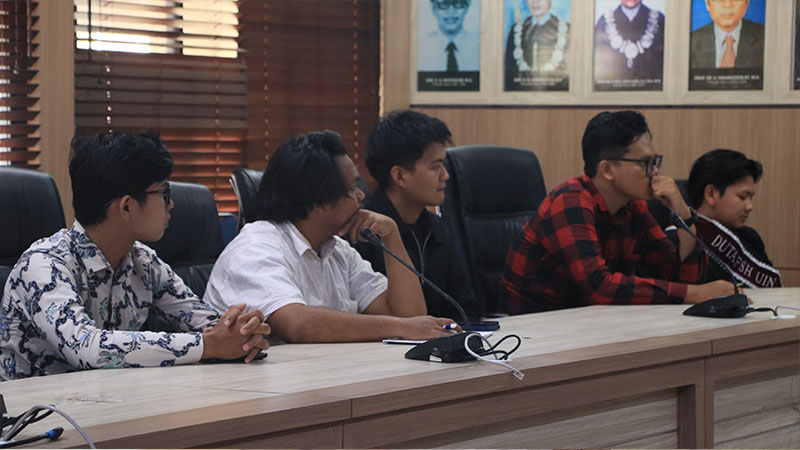
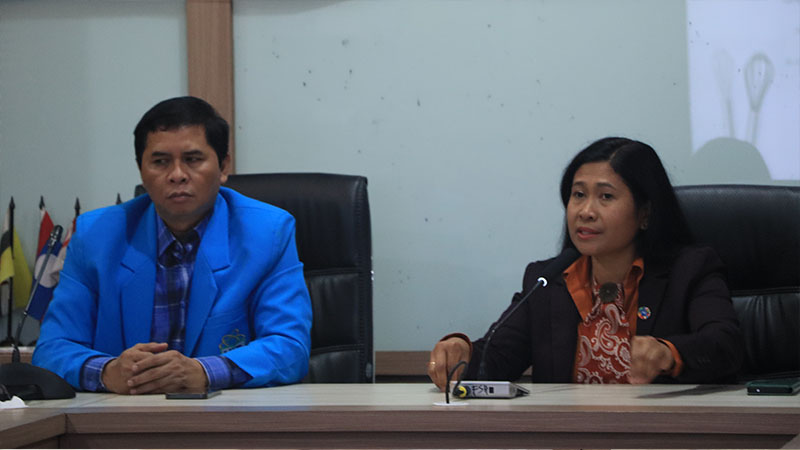
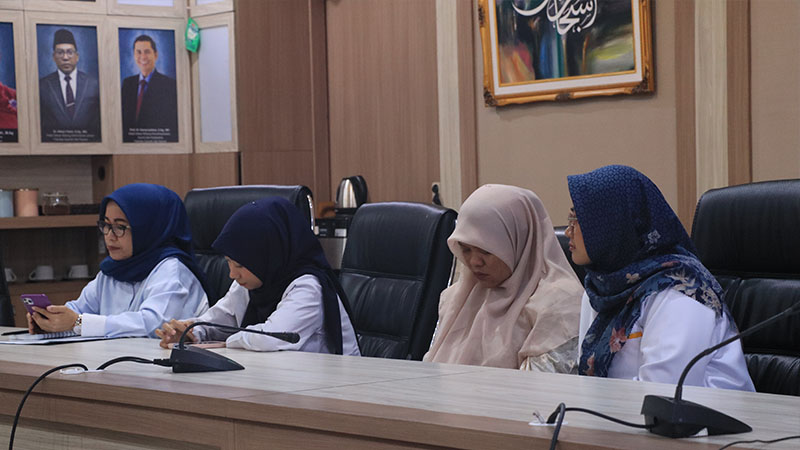
FSH News, FSH Meeting Room - The Faculty of Sharia and Law at Syarif Hidayatullah State Islamic University Jakarta is hosting an international guest lecture on the theme of Green Campuses and Green Cafeterias on March 9, 2026. The event, held in the Faculty of Sharia and Law’s Madya Meeting Room, features Esie Hanstein, a lecturer from Leipzig University and Humboldt University, as the keynote speaker.
This event aimed to broaden the academic community’s understanding of the concept of sustainable campuses, the management of environmentally friendly student services, and opportunities for international cooperation in higher education.
In her presentation, Esie Hanstein explained the student cafeteria service system in Germany, known as the “mensa.” This facility is part of university services that provide subsidized meals to students as a form of support for their well-being and living needs while pursuing their education.
Nationwide, there are approximately 875 food service facilities on college campuses in Germany, including canteens, bistros, and cafeterias. Every day, around 1.5 million meals are served to students and faculty at various universities. These services are primarily focused on lunchtime, which is considered the main meal for most students.
In their management, food safety and hygiene standards are strictly enforced through the implementation of the Hazard Analysis and Critical Control Points (HACCP) system as a food safety monitoring tool. This system is used to ensure that all food preparation processes meet established health and safety standards.
Furthermore, the quality of food service is also supported by guidelines developed by the German Nutrition Society, which establish standards for food provision in communal dining services. The number of portions and the composition of the food served are adjusted according to these guidelines while taking into account students’ needs and preferences.
In Berlin, student service organizations implement food service policies focused on balanced, high-quality, and sustainable menus. Efforts to improve quality are carried out through regular menu evaluations and development to ensure that nutritional value, quality, and environmental sustainability are maintained.
At the end of her presentation, Esie Hanstein emphasized that the shift toward a more sustainable lifestyle can begin with daily habits. In her view, creating a better future requires changes in consumption patterns, including dietary habits and the use of more environmentally friendly transportation.
Through this international guest lecture, the Faculty of Sharia and Law at the State Islamic University Syarif Hidayatullah Jakarta hopes to broaden the academic community’s understanding of green campus practices implemented at universities worldwide. Additionally, this event is expected to open broader opportunities for international collaboration, particularly in the areas of student mobility, academic exchange, and the development of sustainable and future-oriented campus services.